Get rewarded with our new loyalty program JOIN NOW

Dr. Weishar is double board-certified in internal medicine and dermatology. Her more than 25 years of experience, numerous awards and accolades as an expert cosmetic dermatologist make her the preferred skin care treatment provider for patients throughout Montgomery and Bucks County.
What Causes Itchy Skin Patches?
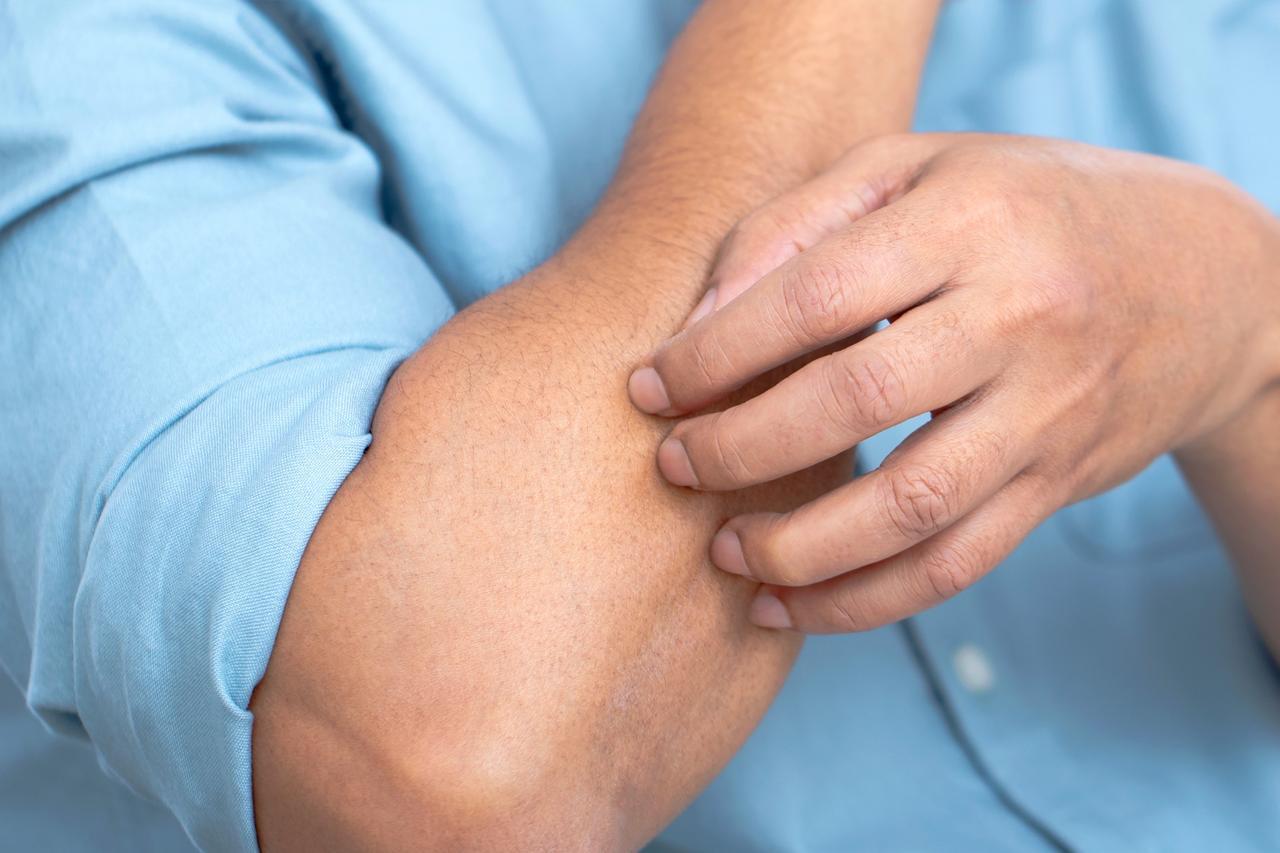
There are many conditions that can cause an itchy skin break-out, including medical and environmental factors. These range from skin conditions, irritation and allergic reactions, nervous disorders such as shingles, psychiatric conditions including anxiety and depression, and internal diseases.
Ready to book or just have a question? Our team is here to help!
Itchy Skin Diagnosis & Symptoms
Before Dr. Weishar and Dr. Clark can assist with the best treatment option for your itchy skin patches, they first needs to get to the bottom of the itch. This can take time, and may involve more than an evaluation of the skin and medical history. Laboratory tests can help identify whether your itching may be due to an underlying medical condition, such as anemia, kidney disorders, thyroid conditions or enlarged lymph nodes. Itchy skin can also be a sign of dermatitis – inflammation of the skin, or a symptom of various skin conditions such as psoriasis and eczema.
Symptoms of itchy skin patches may include:
- Repeated scratching of the skin’s surface.
- The skin may appear red, dry or normal.
- Rashes on the skin that are red and bumpy.
Pruritus or itchy skin treatment options for itchy skin patches include:
- Topical Corticosteroids: Topical corticosteroids are powerful medications that can help reduce inflammation and itching associated with skin disorders. They come in different strength levels and formulations.
- Antihistamines: Antihistamines are medications that work to block histamine receptors in the body, which helps reduce itching caused by allergic reactions. These oral medications may also cause drowsiness, which can sometimes be beneficial if used at night for more restful sleep.
- Phototherapy: Ultraviolet (UV) light therapy is an effective way to treat certain skin conditions that cause itchy skin, such as psoriasis or eczema, and Springhouse Dermatology can refer to a local provider when appropriate.
- Oral Retinoids: Retinoid medications have been found to be helpful in treating moderate to severe cases of psoriasis and other inflammatory skin diseases that result in pruritus symptoms.
- Immunomodulators: Immunomodulators are a class of drugs that work by modulating the body’s immune system response and reducing inflammation associated with itchy skin diseases.
- Botulinum Toxin: Injections of botulinum toxin (Botox) into affected areas have been found to help relieve the itch associated with certain chronic conditions such as neurodermatitis or localized scleroderma when other treatments fail.
It is also important to not scratch, as scratching may lead to a skin infection. The following tips may help soothe itchy skin:
- A moisturizing cream for itchy skin that is free of additives, fragrances and perfumes. Depending on the symptoms and underlying cause, there may be a suitable product in Springhouse Derm Store.
- A topical anesthetic that contains pramoxine, or ice packs to distract from the itch.
- Menthol and calamine can also help cool the skin.

Contact Springhouse Dermatology for Treatment
Drs. Margo Weishar and Ashley Clark provide expert care for skin conditions. Dr. Weishar, a Yale graduate, and Dr. Clark, recognized for her dermatology research and clinical expertise, see patients throughout Bucks and Montgomery County. Book your skin evaluation today for lasting relief.